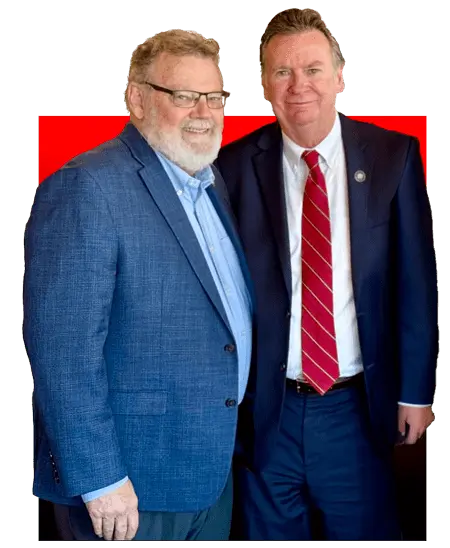
Les Heidelberg
A POLITICAL FAVOR OR A QUALIFIED LEADER?Leadership should be built on experience, expertise, and the ability to make sound decisions that serve the best interest of the people. Effective leaders must navigate complex challenges, manage resources wisely, and provide clear, strategic direction. However, in St. Tammany Parish, one of the most powerful figures in local government isn’t a seasoned policymaker, a financial expert, or a crisis manager—it’s a retired history teacher.
Les Heidelberg, a longtime friend of Parish President Mike Cooper, holds a top administrative role in the parish government. But what exactly qualified him for this position? Was it his background in education, or was it simply his personal connection to Cooper? More importantly, what role does he play in an administration widely criticized for its hesitation and lack of decisive leadership? As St. Tammany Parish faces mounting challenges, the presence of an untested figure in such a key role raises serious questions about priorities, qualifications, and the direction of local government.
The Question of Qualifications
Running a parish requires a firm grasp of budgeting, infrastructure, legal frameworks, and economic development. It’s a role that demands expertise, not just political allegiance. Yet, there is no record of Hidleberg having any background in public administration, finance, or governance—key qualifications for effective leadership.
So how did he secure a top leadership role in Cooper’s administration?
Was the position ever publicly advertised, allowing experienced candidates to apply? Were professionals in government operations considered, or was this simply a case of cronyism? If loyalty, rather than competence, was the primary factor in his appointment, what does that say about the priorities and effectiveness of parish government?
Is Heidleberg a Factor in Cooper’s Indecisiveness?
Running a parish requires more than just good intentions—it demands expertise in budgeting, infrastructure, legal frameworks, and economic development. These are not optional skills; they are essential for making informed decisions that impact thousands of residents. The job of a parish leader is not simply about loyalty to a political figure but about the ability to govern effectively. Yet, there is no public record indicating that Hidleberg has any professional background in public administration, finance, or governance—areas critical to running a functional and efficient government.
So how did he secure a top leadership position in Cooper’s administration?
Was this role ever publicly advertised, ensuring that qualified professionals had the opportunity to apply? Were experienced government officials or experts in municipal management considered, or was this appointment purely based on personal connections? If hiring decisions are driven by loyalty rather than proven ability, what does that mean for the effectiveness of parish government?
A leadership team should be built on competence, transparency, and accountability. If positions are being filled based on political favoritism rather than qualifications, it raises serious concerns about the administration’s priorities. Residents deserve officials who can make sound financial and policy decisions—not individuals whose main qualification is their allegiance to those in power.
The Cost of Political Favoritism
Government positions should be filled based on ability—not personal connections. When key leadership roles are given to friends instead of experts, it weakens the very foundation of effective governance. Important projects slow down. Policy decisions become unclear. The administration becomes an echo chamber rather than a driving force for progress.
In St. Tammany Parish, that’s exactly what seems to be happening. And the longer it continues, the more the public should ask:
How much longer can St. Tammany Parish afford leadership that seems unable or unwilling to take action?
The people deserve clear, competent leadership. Right now, all they seem to be getting are more questions.